Transacting with confidence: how multilateral wheeling is reshaping market access for IPPs





This article has been supplied and will be available for a limited time only on this website.
By: Gerjo Hoffman - CEO of Open Access Energy
South Africa’s energy transition is an exciting new chapter! The key question is whether the market can successfully adopt and implement these new rules. South Africa’s energy transition is no longer a question of policy intent. The real question is whether the market can make new rules work in practice.
Regulatory reform has opened the electricity grid to private participation, marking a significant shift in how power can be generated and traded. But for Independent Power Producers (IPPs), access on paper does not automatically translate into real-world access. The ability to reach multiple buyers, transact efficiently and get paid accurately is fast becoming the next defining challenge.
IPPs are now firmly embedded in South Africa’s energy future, and selling power to a single offtaker works well for mining houses and large industrial customers. However, this one-to-one model is reaching saturation: around 80% of the 5,700 megawatts (MW) currently under construction is already contracted, leaving the remaining 6,372 MW of projects in development at least 24–36 months from delivery and increasingly constrained by grid capacity, with no remaining capacity in key provinces. To expand market access and serve smaller-demand customers, IPPs will need to shift toward one-to-many trading models, overcoming the operational, commercial, and settlement complexities that have so far limited broader participation.
This is where multilateral wheeling comes into play.
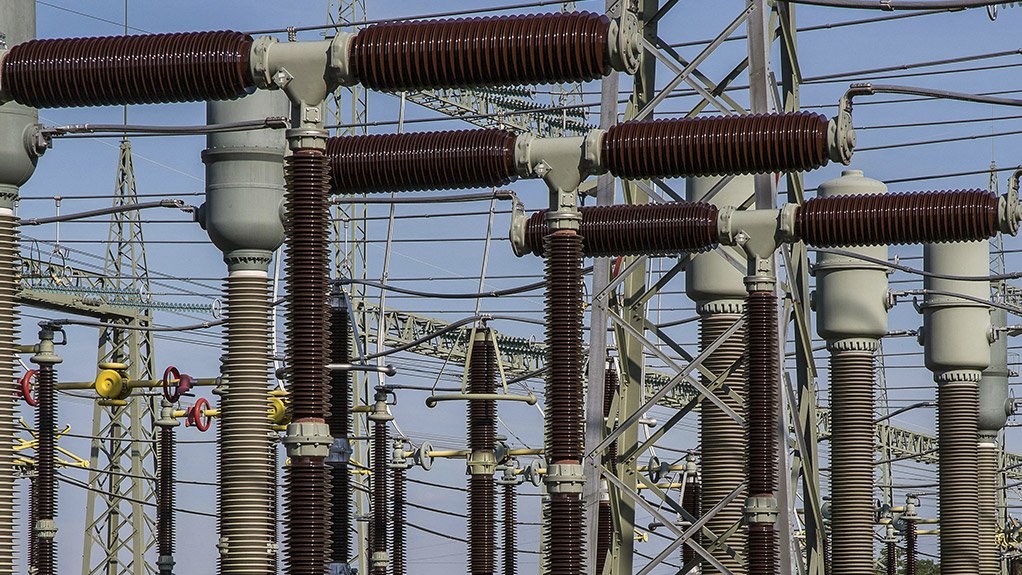
By allowing a generator to sell electricity to many buyers through existing grid infrastructure, multilateral wheeling promises to expand market access and inject much-needed flexibility into electricity trading. The idea itself is not new. What is new is the urgency to make it function at scale and work reliably
At its core, multilateral wheeling reshapes how electricity is traded. Instead of power flowing through rigid, one-to-one contracts, supply and demand can connect dynamically across the grid. However, the viability of this model depends less on policy permission and more on execution. Without the right operational foundations, complexity quickly becomes a barrier rather than a driver of breakthroughs.
Accuracy is one of the biggest fault lines. Effective wheeling depends on precise matching of generation and consumption, trusted metering data and transparent reconciliation across multiple parties. When these processes are inconsistent, manual or opaque, risk increases for producers, buyers and the system as a whole.
And risk erodes confidence.
Confidence is the invisible infrastructure of a functioning electricity market. Buyers need certainty that the power they contract will be delivered. Producers need assurance that the settlement will be accurate and timely. Without this shared confidence, participation stalls and scale remains elusive.
This is why standardisation matters. In a fragmented trading environment, inconsistent commercial terms and unclear settlement mechanisms slow decisions and increase friction. Standardised approaches create transparency, enable comparison and lower the threshold for engaging with multiple counterparties.
As corporates, industrial users, and municipalities increasingly seek energy solutions that are not only alternative but also more affordable, IPPs need practical ways to diversify revenue and reduce dependence on single offtakers. Multilateral wheeling offers that pathway — but only if it is underpinned by systems that support trust, reliability, and repeatability.
Policy reform has laid the foundation by opening access to the grid. The next phase is about translating reform into real transactions. That requires an ecosystem built for accuracy, transparency and confidence at every stage of the trade.
When executed well, multilateral wheeling can unlock greater choice for both producers and buyers. It can support more competitive procurement, deepen market liquidity and accelerate the transition to a more resilient energy system.
Ultimately, South Africa’s electricity future will be shaped not only by who can generate power, but by how confidently that power can be traded. Building that confidence is no longer optional, it is the difference between reform that looks good on paper and a market that actually works.
Embrace multilateral wheeling underpinned by accurate, standardised trading processes to expand market access and build confidence in every transaction.
Article Enquiry
Email Article
Save Article
Feedback
To advertise email advertising@creamermedia.co.za or click here

Projects
Latest Multimedia
Latest News

Showroom


For over 15 years, Lilak Aluminium, a trusted leader in architectural extrusion supply, has delivered excellence to businesses like yours.
VISIT SHOWROOM


Announcements
What's On
Subscribe to improve your user experience...
Option 1 (equivalent of R125 a month):
Receive a weekly copy of Creamer Media's Engineering News & Mining Weekly magazine
(print copy for those in South Africa and e-magazine for those outside of South Africa)
Receive daily email newsletters
Access to full search results
Access archive of magazine back copies
Access to Projects in Progress
Access to ONE Research Report of your choice in PDF format
Option 2 (equivalent of R375 a month):
All benefits from Option 1
PLUS
Access to Creamer Media's Research Channel Africa for ALL Research Reports, in PDF format, on various industrial and mining sectors
including Electricity; Water; Energy Transition; Hydrogen; Roads, Rail and Ports; Coal; Gold; Platinum; Battery Metals; etc.
Already a subscriber?
Forgotten your password?
Receive weekly copy of Creamer Media's Engineering News & Mining Weekly magazine (print copy for those in South Africa and e-magazine for those outside of South Africa)
➕
Recieve daily email newsletters
➕
Access to full search results
➕
Access archive of magazine back copies
➕
Access to Projects in Progress
➕
Access to ONE Research Report of your choice in PDF format
RESEARCH CHANNEL AFRICA
R4500 (equivalent of R375 a month)
SUBSCRIBEAll benefits from Option 1
➕
Access to Creamer Media's Research Channel Africa for ALL Research Reports on various industrial and mining sectors, in PDF format, including on:
Electricity
➕
Water
➕
Energy Transition
➕
Hydrogen
➕
Roads, Rail and Ports
➕
Coal
➕
Gold
➕
Platinum
➕
Battery Metals
➕
etc.
Receive all benefits from Option 1 or Option 2 delivered to numerous people at your company
➕
Multiple User names and Passwords for simultaneous log-ins
➕
Intranet integration access to all in your organisation